
The Confidence Gap: Empowering Women Through Digital Skills

What does it take to stay competitive at work when the skills required are constantly changing?
For many professionals, the answer increasingly comes down to digital capability. As technology reshapes industries, the ability to understand and use digital tools is quickly becoming the difference between those who progress and those who are overlooked.
From data-driven decision making to the rapid rise of artificial intelligence, digital capability is no longer a specialised skill set. It is a core part of how work gets done, how decisions are made and how influence is built.
For women, this shift presents both an opportunity and a challenge. While digital skills can unlock new pathways for career progression and leadership, access to these skills and the confidence to apply them is not always evenly distributed. Without deliberate action, the gap between those who can engage with digital change and those who cannot is likely to widen over time.

Work is evolving faster than many careers
Technology is now embedded across entire organisations, shaping everything from strategy and operations to communication and service delivery. This shift is already visible in workforce data with the World Economic Forum estimating that 39% of workers’ core skills will change by 2030 as a result of technological advancement. Within this evolution, AI and big data, networks and cybersecurity and technology literacy are among the fastest-growing skill areas.
These figures point to a clear reality. Digital capability is no longer an advantage held by a small group of specialists. It is becoming a baseline expectation across most roles.
Professionals who can confidently interpret data, use digital tools and understand how technology informs decisions are more likely to contribute at a higher level. They are also more likely to be seen as adaptable, forward-thinking and ready for leadership.
Those without these skills may find themselves working harder to keep up, rather than positioning themselves to move forward.
The confidence gap shaping career progression
If digital skills are so critical, why are they not more evenly distributed? Part of the answer lies in confidence. While many women already use digital tools in their day-to-day roles, they are less likely to describe themselves as digitally confident or to actively pursue opportunities that require these skills.
However, confidence is just as important as exposure. Insights from LinkedIn indicate that women are less likely to list digital or technical skills on their profiles, even when they have comparable experience.
In practice, this can look like hesitating to apply for a role that mentions data or AI, even when the core experience is there. It can mean opting out of projects that involve new tools or deferring to others in conversations about technology.

Over time, these small decisions can have a cumulative impact: reducing visibility, limiting access to growth opportunities, and reinforcing the perception that digital capability sits elsewhere. As workplaces continue to evolve, this confidence gap risks becoming a long-term barrier unless it is actively addressed.
The digital skills that drive real impact
Understanding the importance of digital capability is one thing. Knowing where to start is another. The most valuable digital skills today are not necessarily highly technical. They are practical capabilities that can be applied across roles to improve how work is done and how decisions are made.
Using data to inform decisions
Many roles now involve working with data in some form. This might mean analysing performance metrics, interpreting reports or using dashboards to guide planning. Professionals who can turn data into clear insights are better positioned to influence strategy and demonstrate impact.
Working with AI and automation tools
Artificial intelligence is already embedded in everyday workflows. The Australian Department of Industry, Science and Resources estimates that nearly 30% of businesses have adopted AI through generative AI assistants. In practice, this includes using AI tools to draft content, summarise information or streamline repetitive tasks. Those who can use these tools effectively are able to work more efficiently and focus on higher-value activities.
Maintaining strong cyber awareness
As digital adoption increases, so do risks. The Australian Cyber Security Centre reported an 11% increase in cyber security incidents in Australia from last financial year. In everyday terms, this means understanding how to manage information securely, recognise risks and follow safe practices at work.
These skills are not about becoming a technical specialist. They are about building the confidence to engage with digital tools in ways that strengthen performance and open new opportunities.
Access and opportunity are part of the solution
If digital capability is essential, then access to learning becomes a defining factor in who is able to build it.
For many women, barriers such as time, cost and competing responsibilities can make it harder to prioritise professional development. This is particularly relevant for those returning to the workforce, seeking career progression or navigating change.
Structured learning opportunities can help bridge this gap. Short courses provide practical, applied knowledge that can be used immediately. They also offer something less tangible but equally important, which is the confidence that comes from building and applying new skills in a supportive environment.
For many women, access to the right learning opportunity at the right time can change the direction of their career.
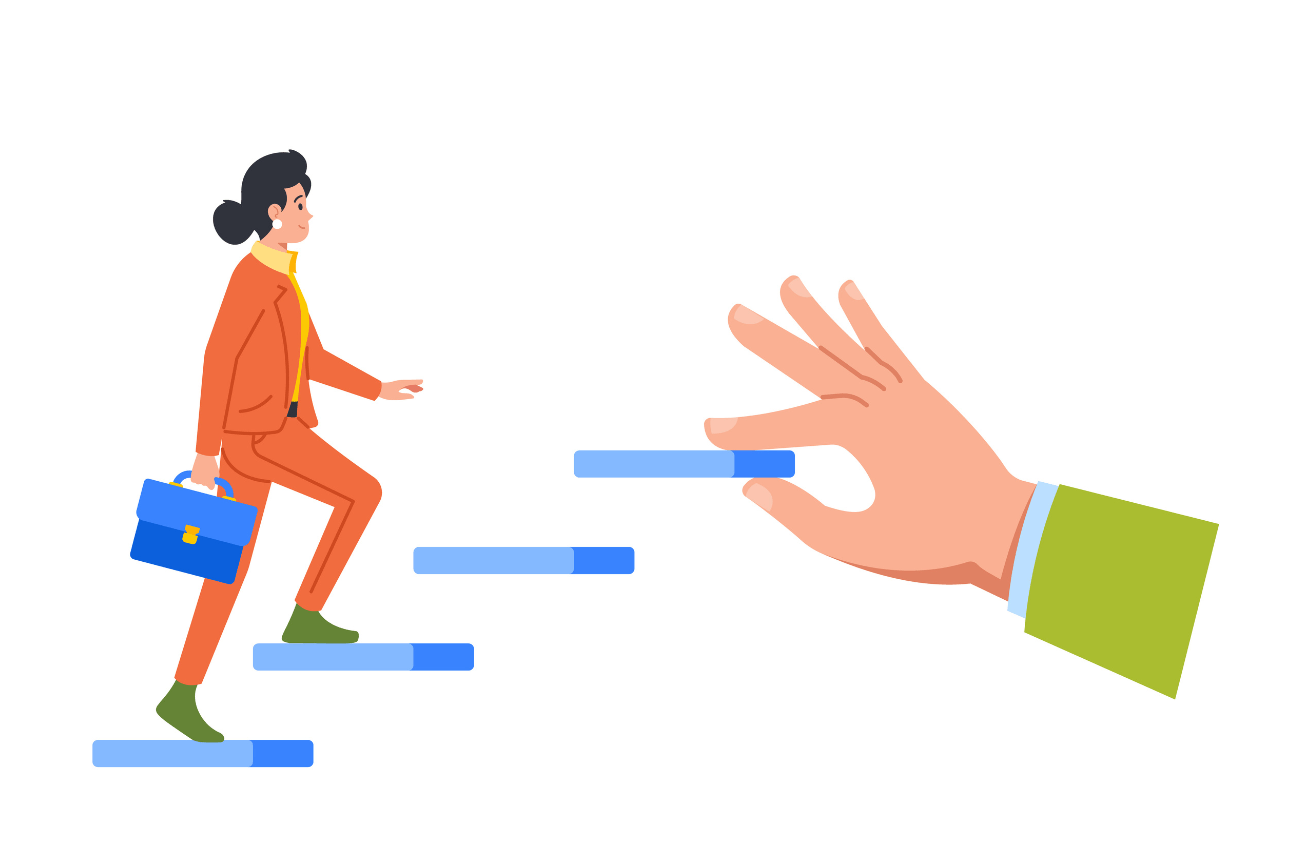
Creating pathways for women to grow
Supporting women to build digital capability requires accessible opportunities that make it easier to take the next step.
In recognition of this, we are inviting nominations for women who would benefit from further developing their digital skills. Five nominees will receive a scholarship to attend one of our Digital Skills Short Courses, designed to build practical capability and support career progression.
The opportunity is open to women seeking to advance their careers, return to the workforce or strengthen their impact, particularly within the not-for-profit sector.
It reflects the idea of "Give to Gain". When one woman is supported to build her skills, the impact often extends far beyond the individual. It can influence teams, strengthen organisations and contribute to more resilient communities. Colleagues, mentors and peers are encouraged to nominate women who would benefit from this opportunity. Self-nominations are also welcome.
Shaping the future of work
The future of work will not be defined by technology alone. It will be shaped by the people who are able to adapt to it, apply it and lead with it.
For women, building digital capability is one of the most effective ways to stay competitive and expand career opportunities. It enables greater participation in decision making, stronger influence and access to roles that shape direction and outcomes.
The question is no longer whether digital skills matter. It is who has access to them and who is supported to use them with confidence.
Because the future of work will be shaped by those who are ready for it. Ensuring more women have the skills and confidence to step into that future will help determine who leads it.
If you know a woman who could benefit from building her digital skills, or if you are ready to take the next step in your own career, now is the time to act.
Nominate a colleague, peer or yourself for the opportunity to receive a scholarship and gain practical, career focused digital skills.
You can also explore our range of Digital Skills Short Courses, designed to build capability in areas such as data, artificial intelligence and cybersecurity. Whether you are looking to grow in your current role or prepare for what comes next, developing digital confidence is one of the most valuable investments you can make.