
The Benefits Of Closed Cohorts
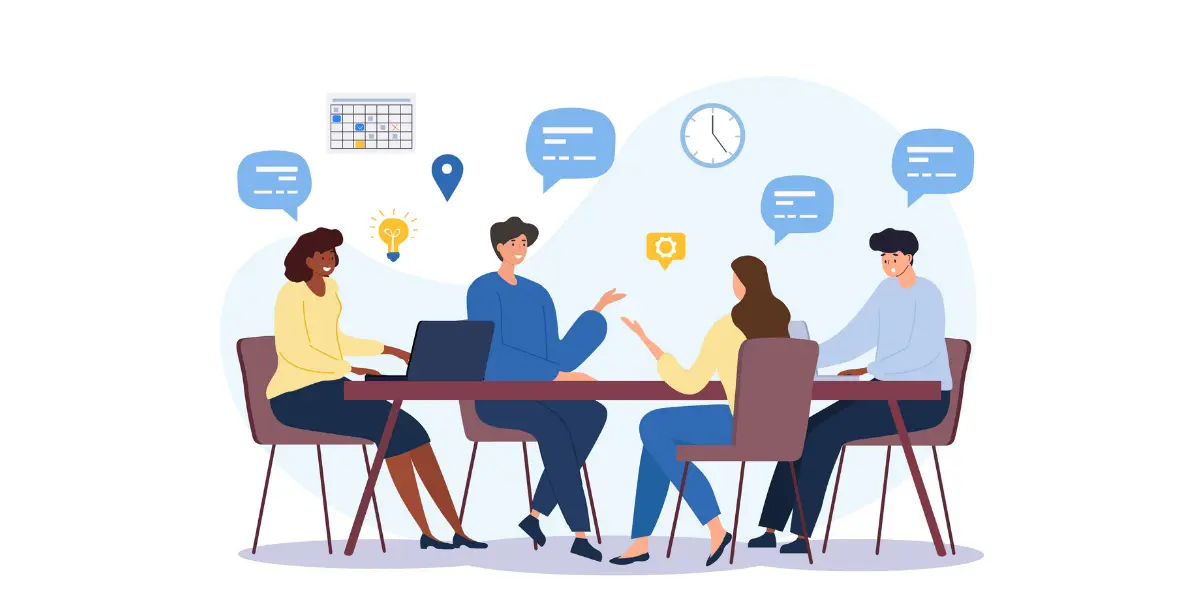
When it comes to developing your team, the decision often comes down to a familiar dilemma: Should you send employees to training individually or invest in learning together as a team? On the surface, individual learning feels flexible and convenient. But over time, many managers notice a gap. Skills don’t always translate into consistent behaviours, team dynamics remain unchanged, and the impact of training fades quickly.
This is the challenge. Without shared context, employees return with different interpretations, priorities and approaches. That can create friction instead of progress. One employee may apply a new framework, while others continue with existing habits. Another may struggle to communicate what they learned in a way that resonates with the team. Over time, this inconsistency can slow decision-making, create duplicated effort and make it even harder for teams to move in the same direction.
It can also lead to some missed opportunities. When only a few individuals attend training, valuable insights often remain with them exclusively rather than influencing the wider team. This limits the overall impact of the investment on training and can make it harder to achieve meaningful change across the organisation.
This is where group-based approaches come in. The growing interest in team learning in recent years reflects a shift in how organisations build capability and culture. In this post, we break down the key benefits of group training, specifically closed cohorts, and show why they deliver strong long-term value.
Training together: what is a closed cohort?
Workplace learning is evolving. It is generally believed that capability development is most effective when it is applied in real work contexts and supported through collaboration. This has prompted organisations to rethink how training is delivered and to prioritise approaches that connect learning directly to workplace outcomes.
A closed cohort is one such approach. It involves employees from the same organisation undertaking training together, rather than joining mixed groups. This allows content to be tailored to your business context, challenges and goals.
Closed cohorts create a shared experience that strengthens engagement and relevance. Participants can immediately connect learning to their day-to-day work, which improves retention and application. It also ensures that discussions reflect real workplace scenarios, making learning more practical and easier to embed.

This shared approach naturally extends into broader team-based learning outcomes. Group learning supports collective capability, not just individual development. It also helps ensure that teams leave training aligned, rather than needing to interpret and implement ideas separately.
Why train as a team? 5 reasons closed cohort learning works
Once you understand how closed cohort training works, the advantages of team training become clearer in practice. Rather than focusing on individual development alone, this approach is designed to build capability across teams in a way that is aligned, consistent and immediately applicable.
This shift from individual to collective learning is what drives stronger outcomes. When teams learn together, they are better equipped to apply new ideas, reinforce behaviours and maintain momentum beyond the training environment.
Below are five key reasons organisations are prioritising closed cohort training to deliver more meaningful and lasting results.
You can build psychological safety through shared learning
Psychological safety is essential for high-performing teams. It allows individuals to speak openly, ask questions and contribute ideas without fear of judgement.
Closed cohort training strengthens this by bringing existing teams together in a familiar environment. Because participants already share working relationships, it becomes easier to build trust, have open discussions and challenge ideas constructively.
This shared experience also creates a common language that carries back into the workplace. Teams are more confident continuing conversations, giving feedback and applying what they’ve learned together. This is a key benefit of closed cohort training, particularly for organisations looking to improve collaboration and leadership capability.
You can drive stronger cultural alignment across teams
Organisational culture depends largely on shared behaviours and consistent understanding. When teams learn together, they align on expectations, but when employees train individually, different interpretations can emerge, leading to inconsistency.
Closed cohorts reduce this risk by aligning teams from the outset. Because training is tailored to the organisation’s context, employees learn the same frameworks, language and expectations in a way that reflects how they actually work. This makes it easier to embed consistent behaviours across teams. The importance of shared learning becomes especially valuable during periods of change, where alignment is critical.
You can apply skills immediately in your own work context
A common challenge with training is the gap between learning and application. Without relevance, new skills are often forgotten or inconsistently applied.
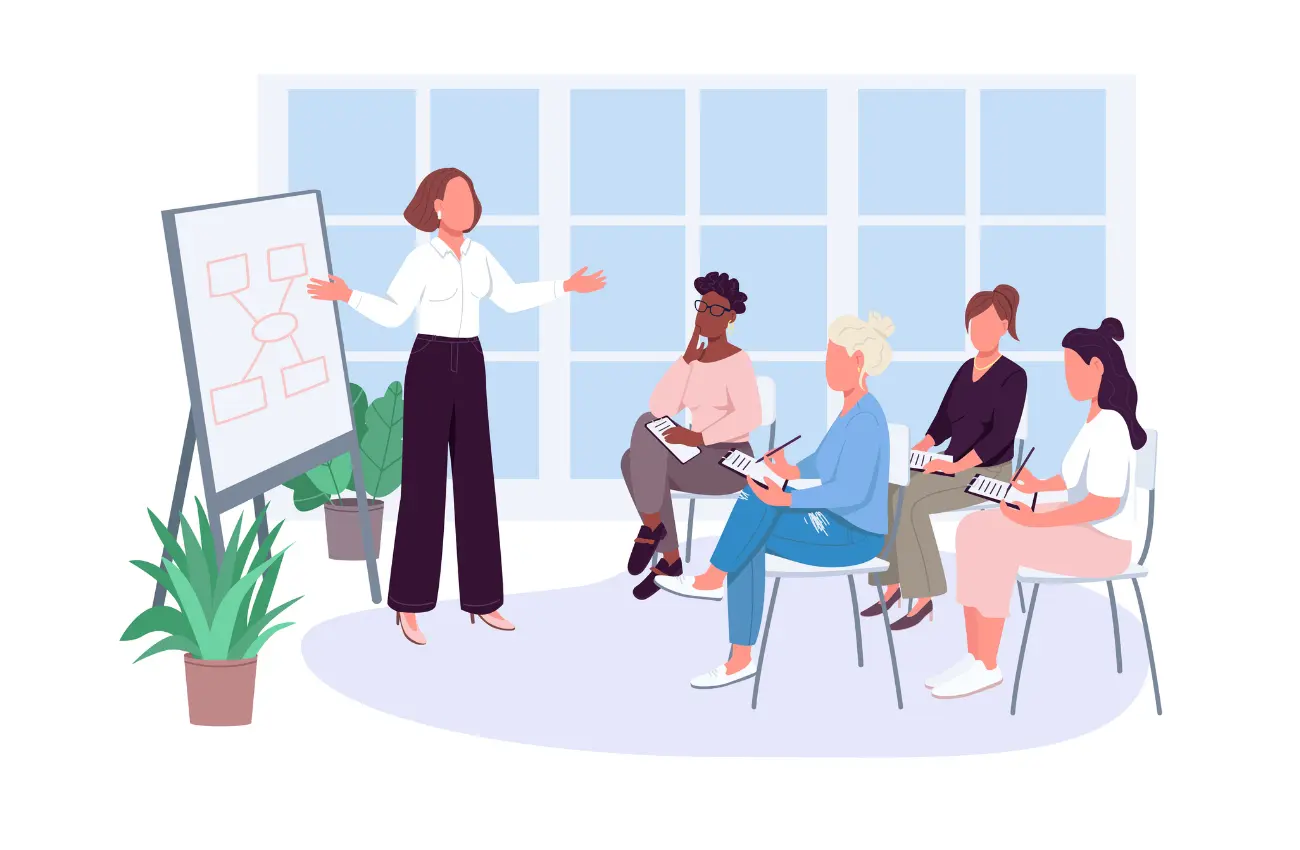
Closed cohort training addresses this by grounding learning in real workplace scenarios. Participants can directly connect concepts to their own projects, systems and challenges. Teams can test ideas, discuss how to apply them and refine their approach together in real time. Applying knowledge in real-world contexts improves retention. As a result, skills are not just understood but actively used in ways that fit the organisation’s context, improving consistency and long-term retention.
You can strengthen collaboration and team performance
Strong collaboration relies on shared understanding, communication and trust, which are elements that are difficult to build in isolation.
Closed cohorts bring teams together to learn how they work, not just what they do. By working through challenges and discussions as a group, participants develop a shared approach to problem-solving and decision-making.
This shared approach helps reduce friction in day-to-day work and improve productivity. Teams are more likely to interpret situations in the same way, align on priorities more quickly and make decisions with greater confidence. It also improves how individuals communicate, as they are drawing from the same frameworks and expectations.
Over time, this leads to more effective collaboration across roles and functions. Instead of working in silos, teams are better equipped to support each other, navigate challenges and maintain consistent performance as demands evolve.
You can maximise return on investment for your organisation
Training is an investment, and its value depends on how broadly it impacts the organisation.
Closed cohort training increases this impact by developing capability across entire teams, rather than individuals. Because everyone learns together, there is less duplication, faster alignment and more consistent application of skills.
It also ensures that learning is directly tied to organisational goals. By focusing on real business challenges, closed cohorts deliver outcomes that are measurable and relevant. This makes them a more strategic approach for organisations looking to drive meaningful, long-term results.
How closed cohorts support long-term organisational success
Sustainable success requires more than one-off training. It depends on whether learning continues to influence how teams think, work and make decisions over time.
Closed cohort training supports this by creating continuity beyond the initial learning experience. Because the same group progresses through the program together, ideas are not left behind in the training environment. They are carried forward into day-to-day work, discussed, tested and refined as a team. This shared progression plays an important role in sustaining impact. Instead of individuals trying to interpret and apply learning on their own, teams move forward with a common understanding of what good looks like. This reduces the drop-off that often happens after training and helps maintain momentum.
It also changes how learning is reinforced. Conversations that begin during training continue in the workplace, whether through team discussions, project work or decision-making. This ongoing exposure helps embed new ways of thinking more naturally into everyday practices. Over time, this creates a more stable foundation for capability development. Learning is not treated as a one-off event but as something that evolves with the team. As a result, organisations are better positioned to sustain improvements, adapt to change and build capability in a way that lasts.
Turn team learning into lasting impact with AIM’s tailored training solutions
If your goal is to create meaningful and lasting change, team training is a more effective approach. It brings teams together, aligns them around shared goals and ensures learning is applied in real-world contexts.
AIM’s approach to training for organisations is designed to do exactly that. Programs are tailored to your business needs, delivered by experienced facilitators and focused on practical outcomes. Through closed-cohort in-house training, AIM ensures learning is directly relevant to your teams. This means skills are not only learned but applied effectively in the workplace.
What sets AIM apart is its focus on measurable impact. With flexible delivery, contextualised content and a strong understanding of organisational learning, AIM helps turn training into real capability that lasts.
Closed cohort training provides a wide range of benefits for organisations, making it a powerful approach to building capability and driving lasting results. Explore AIM’s tailored solutions and take the next step towards building stronger, more aligned teams today.

Ready to Build Capability Across Your Team?
AIM's organisational training specialists can help you design a closed cohort program that fits. With over 80 years of experience developing Australia's workforce and partnerships with more than 4,000 organisations, AIM brings the expertise to identify the right program, contextualise the content for your industry, and deliver it in a way that creates lasting impact.
Speak with AIM's organisational training specialists to explore closed cohort options tailored to your workforce development goals.