
There is an AI in TEAM: How AI Is Reshaping Teamwork
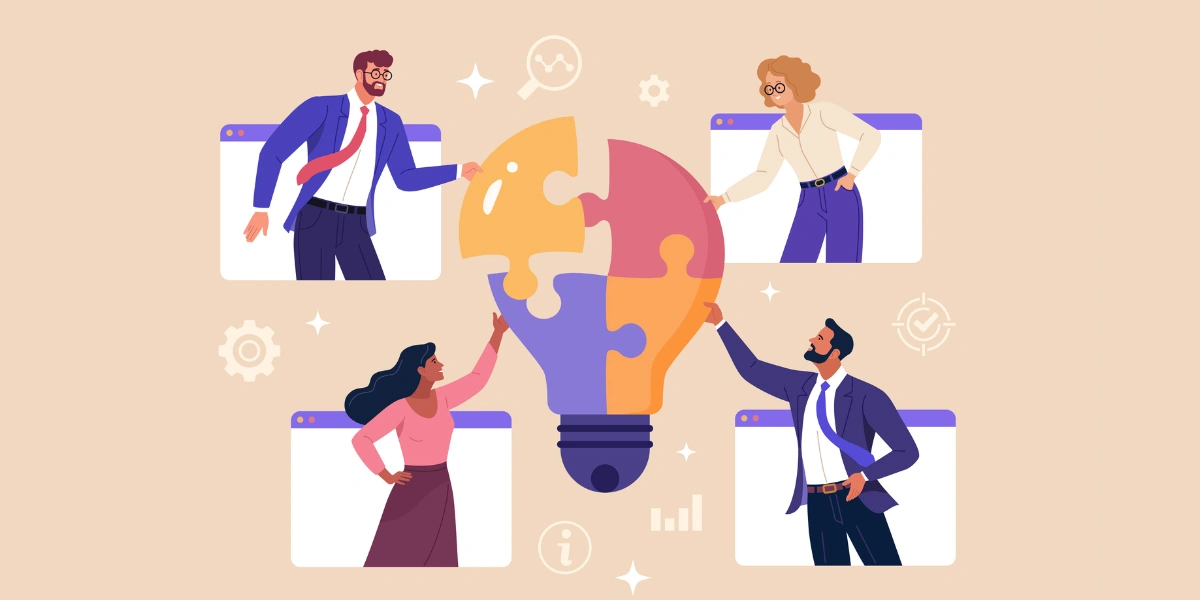
Not long ago, teamwork meant getting people into the same room and hoping the conversation led somewhere useful. Today, there is often something else in the room. It captures notes, pulls context from past meetings and surfaces options on demand. Whether teams acknowledge it or not, AI is already influencing the conversation.
Most conversations about AI at work still focus on personal productivity. The bigger change is happening in how teams share ideas, test assumptions and make decisions, often without agreeing how AI should be used in the first place.
Leadership is already thinking this way. A Forrester Consulting survey of 518 global decision-makers found that while 75 per cent believe most AI tools still focus too heavily on individual productivity, 82 per cent want AI that supports teamwork and collaboration in the flow of work. AI is no longer just an efficiency tool. It is becoming part of how teams think together.
From AI Tool to Influential Team Member
AI does more than speed things up. It changes how teams operate. Some voices get amplified. Some ideas surface earlier. Decisions feel easier to make. That shift happens quickly once AI enters the workflow.
When AI is used to support collaboration rather than replace judgement, teams often perform better. Research from Harvard Business School shows that teams using AI combine expertise more effectively and produce stronger collective outcomes than teams working without it. The difference is not the technology itself, but how it is integrated into teamwork.
Humans still set direction and remain accountable. What changes is how options are framed and how risks are surfaced. Those influences need to be recognised and managed, not left implicit.
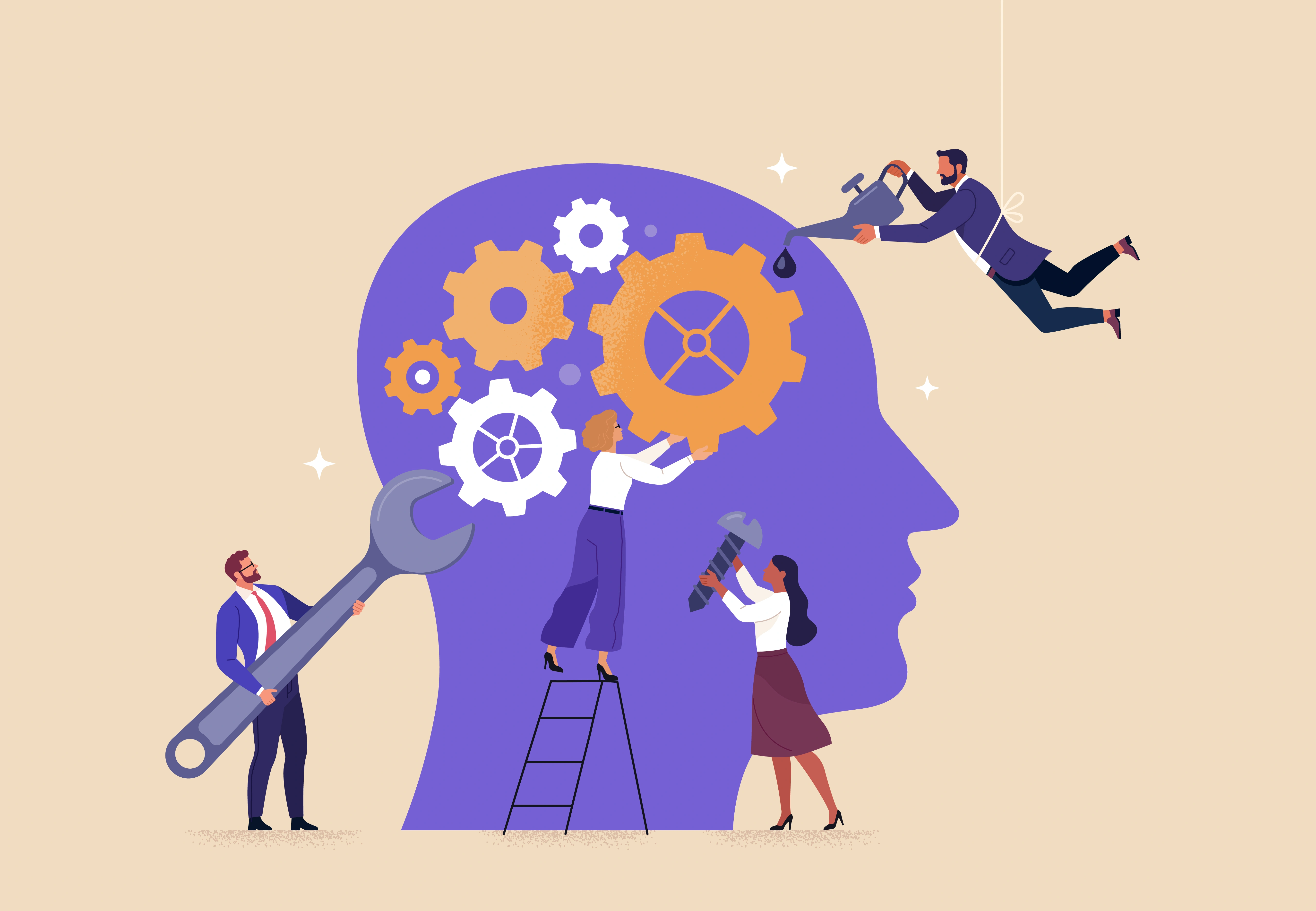
What organisations need to know now
1. Teams Must Think Before They Trust AI Outputs
AI can reduce repetitive work and free up time. The downside is that it also creates what researchers call cognitive offloading, when teams start to rely on AI instead of thinking deeply themselves. Overtime, if people start trusting its recommendations without checking, you can lose critical thinking and creativity. Some studies suggest this can weaken independent problem-solving skills over time (Psychology Today, 2025). The real risk isn't laziness. It is teams accepting AI answers without debate.
Organisations need guidelines about when to rely on AI and when to use it as a prompt for thinking. Training should emphasise "think first, prompt second", not blind trust (Forbes, 2026).
2. AI Literacy Is Now a Core Team Skill
Teamwork has always relied on clarity and listening skills. Today, it also relies on AI literacy, understanding what AI can and can't do, how it reaches its answers and where it might mislead.
Research shows that people who understand how AI systems work and where they fail collaborate more effectively and place appropriate trust in AI outputs (ScienceDirect, 2025)
In practice, this goes beyond prompt tips and includes understanding prompt design and how models generate responses, understanding AI limitations and risk (bias, hallucinations, data quality) and establishing standards for verifying AI outputs.
Without shared AI literacy, teams split between overconfidence and overreliance. Decisions drift toward "what the AI said" instead of considered debate.
3. AI Delivers Value When It Is Integrated into Team Processes
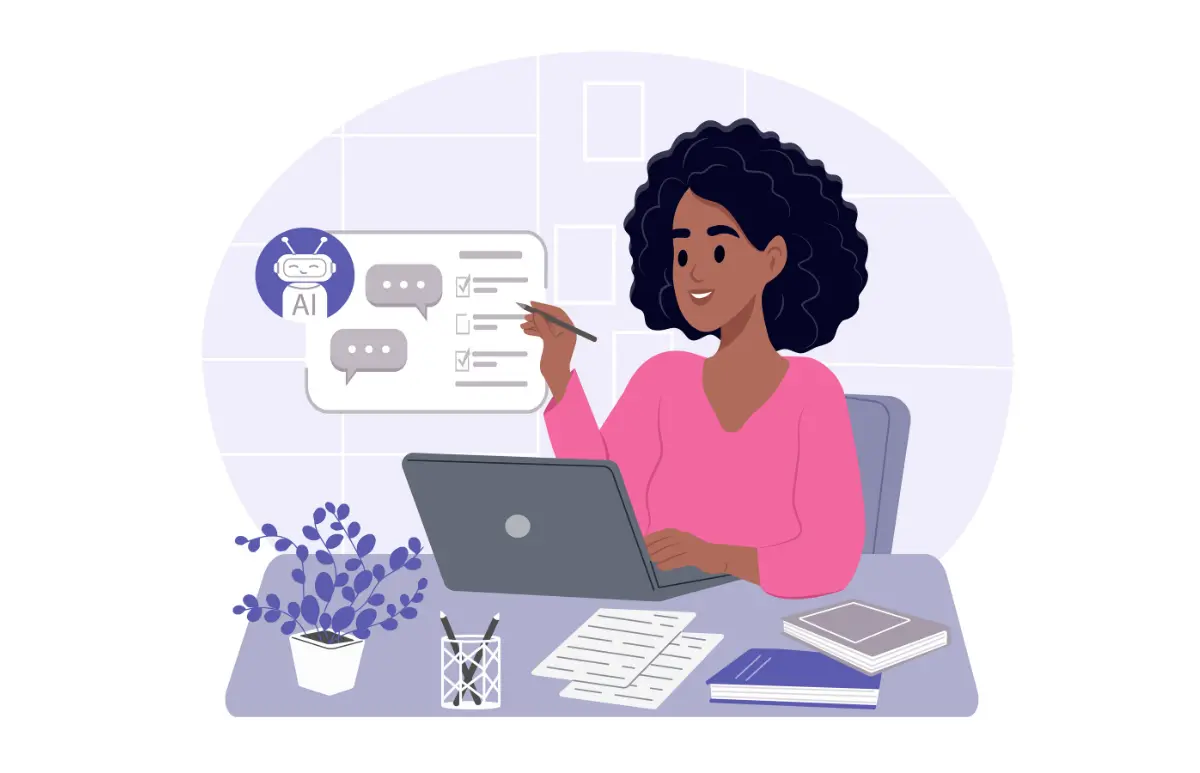
AI makes the biggest difference when it is used where teamwork already happens, not when it sits off to the side as another tool to check. Research into human–AI teaming shows that outcomes improve when AI supports shared understanding, coordination and decision-making across the group, rather than serving individuals in isolation (PMC, 2023).
This means using AI to help teams stay aligned, surface trade-offs and prepare better for collective decisions. It also means being clear about when human judgement takes over. Teams that treat AI as part of the working process, rather than an occasional shortcut, are more likely to benefit from it. Teams that do not often struggle to turn experimentation into real value.
4. Governance Creates Psychological Safety
Governance matters because it shapes how safe teams feel using AI day to day. Before AI touches shared documents, chats, or decisions, teams need clarity on what data can be used, how outputs are checked and who remains accountable when things go wrong.
Without that clarity, people hesitate. They double-check quietly, avoid asking questions, or defer to AI outputs rather than challenge them. Clear governance does the opposite. It supports psychological safety, giving teams permission to question results, surface risks and admit uncertainty without fear of blame. Research published in Harvard Business Review links this kind of clarity to stronger trust, better collaboration and more consistent performance. In practice, governance is not just a safeguard. It is what allows teams to use AI confidently and responsibly.
The New Reality of Teamwork
AI is already influencing how teams collaborate, generate ideas and make decisions. The advantage will go to teams that build the capability to question, test and contextualise its outputs.
The AI for Teamwork short course from AIM helps teams build judgement, literacy and governance so AI supports better collaboration rather than undermining it.
If your organisation is serious about teamwork in an AI-enabled world, this is where the work starts. Ready to take the next step? Use the discount code AIM2026 to save $250 on this one-day short course. This offer ends on February 28, 2026. Learn more and enrol today.