
The Hidden Cost of Not Investing in Digital Skills

When organisations think about professional development, the conversation often begins with budgets. Training is weighed against competing priorities, timelines are pushed back and investment decisions are delayed until a more convenient time. While these considerations are understandable, they often overlook a far more important question: what is the cost of not investing in workforce capability?
Digital capability has become a key driver of productivity, innovation and business performance. Yet as technology continues to evolve, many organisations underestimate how quickly workforce requirements are changing. The scale of this challenge is significant. According to the World Economic Forum's Future of Jobs Report 2025, skills gaps are now considered the single biggest barrier to business transformation globally, while nearly 40% of workers' core skills are expected to change by 2030.
In this environment, the risk of standing still is often greater than the cost of moving forward.
The challenge is that the consequences of underinvestment in capability are not always immediately visible. Unlike a technology purchase or a recruitment decision, skills gaps rarely appear as a line item on a financial report. Instead, they emerge gradually through missed opportunities, slower decision-making, reduced efficiency and an inability to fully leverage the tools and technologies already available. Over time, these hidden costs can have a significant impact on both organisational performance and individual career growth.
Digital Skills Are No Longer Specialist Skills
There was a time when digital skills were largely confined to technology-focused roles. Employees outside of IT departments were expected to have a basic understanding of workplace software, while more advanced technical capabilities remained the responsibility of specialists. That distinction has become increasingly blurred.
Today, technology influences almost every aspect of work. Marketing professionals rely on analytics platforms to understand customer behaviour and measure campaign performance. Human resources teams use workforce management systems to improve employee experiences and support decision-making. Project managers coordinate teams through cloud-based collaboration tools, while finance professionals depend on dashboards and reporting platforms to generate business insights.
This shift extends well beyond traditional office environments. Construction firms are adopting digital project management systems to improve planning and communication. Healthcare providers are using electronic health records and diagnostic technologies to improve patient outcomes. Manufacturers are embracing automation and data-driven processes to improve efficiency and reduce costs. Regardless of industry, employees are increasingly expected to engage confidently with technology as part of their day-to-day responsibilities.
As a result, digital literacy has become a fundamental workplace capability. Alongside communication, problem-solving and leadership, technology proficiency is now considered essential for career success. The World Economic Forum identifies AI and big data, technological literacy and cybersecurity among the fastest-growing skills required by employers through to 2030.
For both individuals and organisations, the message is clear: building capability in areas such as AI, data analytics and digital leadership is no longer simply an advantage. It is becoming a prerequisite for long-term success.
Technology Alone Doesn't Create Value
Over the past decade, Australian organisations have invested heavily in digital transformation initiatives. New software platforms have been implemented, customer experiences have been digitised and significant resources have been allocated towards improving technological capability. Yet despite these investments, many organisations continue to struggle to achieve the outcomes they anticipated.
The reason is often surprisingly simple. Technology itself does not create value. People create value through the effective use of technology.
It is entirely possible for an organisation to invest in state-of-the-art systems and still fail to realise the expected return if employees do not have the skills, confidence or understanding required to use those systems effectively. New platforms can become underutilised, advanced features remain untouched and processes continue to be performed manually despite opportunities for automation and efficiency.
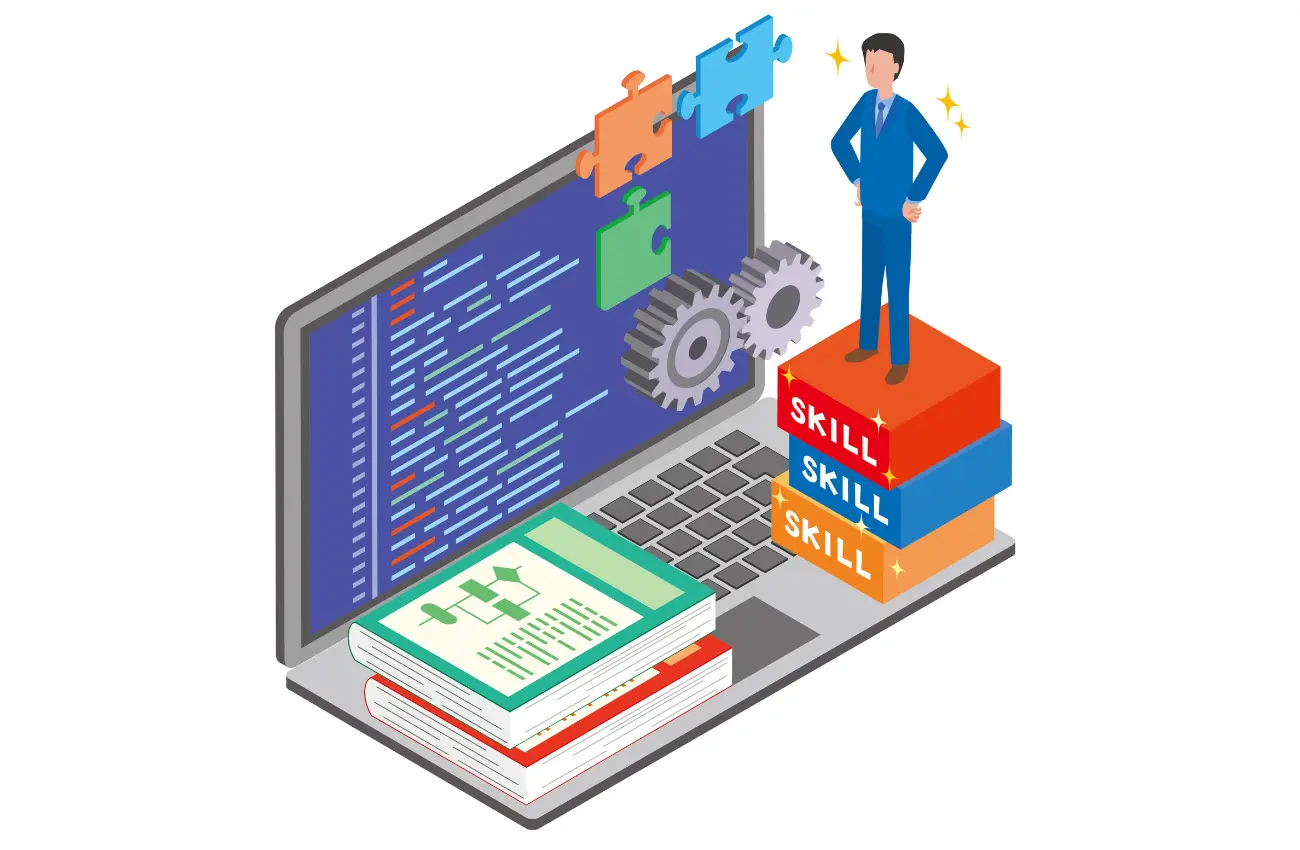
Research from PwC's 2025 Global AI Jobs Barometer reinforces this point. Industries most exposed to AI experienced revenue-per-employee growth of 27%, compared with just 9% in less AI-exposed industries. The findings suggest that the greatest benefits are realised not through technology alone, but through the combination of technology adoption and workforce capability development.
This remains one of the most common barriers to successful transformation. Organisations often focus on implementing technology without investing equally in the people expected to use it. Employees may receive minimal training, struggle to adapt to new ways of working or simply revert to familiar processes when faced with uncertainty. The result is that technology becomes an expense rather than an enabler of growth.
Investing in capability helps organisations bridge this gap. When employees understand how to use technology strategically, they are more likely to identify opportunities for improvement, streamline workflows and make better-informed decisions. In many cases, the greatest return on a technology investment comes not from the technology itself, but from developing the capability of the people using it.
The Rise of AI Has Changed the Conversation
Few developments have highlighted the importance of digital capability more clearly than the rapid emergence of artificial intelligence. In a relatively short period, AI has moved from being a niche technology to a mainstream business tool, with organisations across virtually every sector exploring ways to integrate it into their operations.
The potential benefits are significant. AI can help automate repetitive tasks, improve productivity, enhance customer experiences and provide valuable insights from large volumes of data. For professionals, it offers opportunities to work more efficiently and focus attention on higher-value activities.
However, the growing accessibility of AI has also revealed an important truth: access to technology alone is not enough. In fact, many organisations are discovering that adoption is occurring far more quickly than capability development.

Recent Australian research from Hays found that 60% of professionals are already using AI at work, yet 78% have received no formal AI training from their employer. This highlights a growing gap between access and readiness. While organisations are embracing AI tools, many employees are being left to develop their knowledge independently.
To use AI effectively, employees need a strong foundation in digital literacy, critical thinking and professional judgement. They must understand how to evaluate information, identify risks, recognise limitations and apply context when interpreting AI-generated outputs.
The challenge for organisations is no longer whether AI should be adopted, but whether their workforce is equipped to use it effectively, responsibly and strategically. Those that invest in AI capability development are more likely to realise the benefits of emerging technologies, while those that neglect it risk falling behind as transformation continues to accelerate.
Importantly, the rise of AI is not diminishing the value of human skills. If anything, it is making them more important. The ability to think critically, communicate effectively, solve complex problems and apply sound judgement will remain essential in a workplace where technology is becoming increasingly sophisticated.
The Organisations Pulling Ahead Are Investing in People
While much attention is given to technological innovation, some of the most successful organisations recognise that their greatest competitive advantage lies in their people. Technology can often be replicated, purchased or adopted by competitors. Workforce capability, however, is far more difficult to duplicate.
Organisations that prioritise learning and development are often better equipped to respond to change, embrace innovation and navigate uncertainty. Their employees are more confident when adopting new technologies, more adaptable when faced with changing circumstances and more capable of identifying opportunities for improvement.
This becomes even more important as the pace of change accelerates. PwC's latest research found that the skills employers seek are changing more than twice as fast in jobs most exposed to AI than in other occupations. Continuous learning is no longer simply a competitive advantage. It is becoming a business necessity.
Investment in professional development also plays a critical role in attracting and retaining talent. Today's professionals expect opportunities for growth, particularly in areas that support long-term career progression. Organisations that demonstrate a commitment to learning are often viewed more favourably by both current employees and prospective candidates.
Conversely, organisations that neglect capability development can find themselves facing widening skills gaps, declining productivity and increasing challenges in attracting and retaining high-performing employees. While these impacts may not be immediately visible, they can create significant barriers to long-term success.
For individual employees, this can be a valuable part of professional growth. It can help them build confidence, expand their thinking and bring new ideas back into the organisation.
Why EOFY Is the Perfect Time to Invest
Recognising the importance of capability development is one thing. Identifying the right time to act is another.
For many organisations, the end of the financial year provides a natural opportunity to review workforce needs, reassess priorities and invest in future capability. As budgets are evaluated and plans are developed for the year ahead, leaders have an opportunity to consider not only the technology they need, but also the skills required to maximise its value.
While technology upgrades and operational improvements often feature prominently in EOFY planning discussions, workforce capability deserves equal attention. Even the most sophisticated technology strategy relies on employees having the skills required to execute it successfully.

EOFY provides an ideal opportunity to assess current capabilities and identify areas where further development may be required. It encourages organisations to think strategically about future workforce needs and consider how learning and development can support broader business objectives.
With nearly 40% of core workforce skills expected to change by 2030, organisations that begin investing in capability today will be better positioned to adapt as technology, AI and workplace expectations continue to evolve.
Rather than viewing training as a short-term expense, organisations should consider it a long-term investment in productivity, adaptability and future performance. The capabilities developed today can continue delivering value for years to come.
Make the Most of AIM's EOFY Offer
For professionals and organisations looking to strengthen their digital capabilities, EOFY also presents a practical opportunity to act. AIM's current EOFY promotion makes it easier to invest in future-focused learning, whether the goal is to develop expertise in AI, data analytics, project management or leadership in a digital environment.
As workplaces continue to evolve, the ability to learn, adapt and apply new technologies will become increasingly important. Organisations that invest in their people today will be better positioned to navigate change, unlock new opportunities and remain competitive in the years ahead.
Ultimately, the question is not whether digital skills matter. The evidence is already clear. The more important question is whether organisations can afford to delay investing in them.
In a rapidly changing world, the hidden cost of doing nothing may be far greater than many realise.
Ready to take the next step? Enrol in a Short Course, Mini MBA or Qualification and save 20%. Alternatively, go beyond one courses and save 30% when you enrol in a Short Course Bundle. Save with the discount already applied before 30 June.